Hasedera Temple
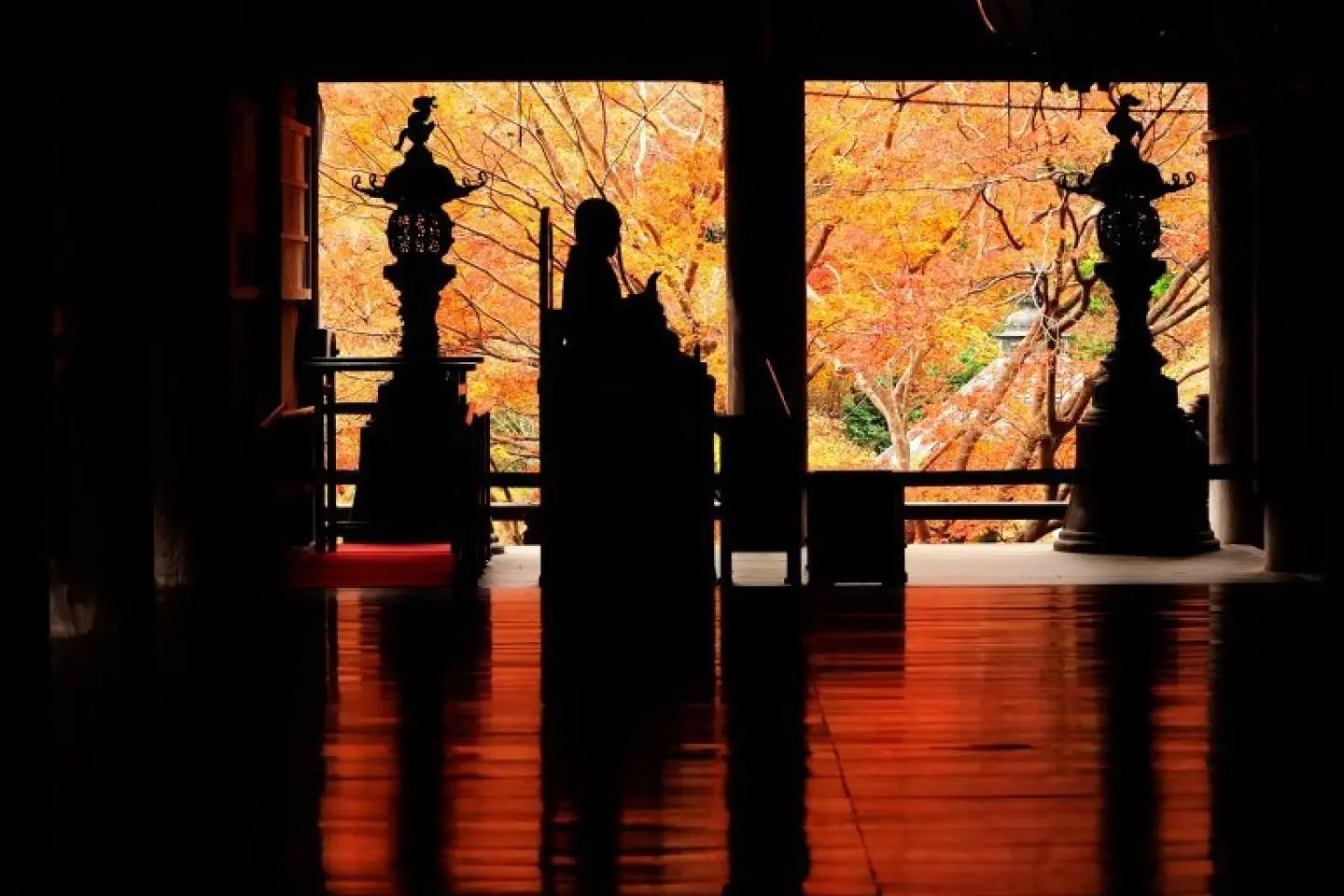
Photo: Masayoshi Hirose / JT
Overview
/135.906794,34.535885,8/360x120?access_token=pk.eyJ1IjoiamFwYW50cmF2ZWxtYXBzIiwiYSI6ImNqbXBtOXYxbDB5Z3ozbHFrazJuYWMwOGYifQ.v15fy_mcFWtgopmz8PhwqA)
Address
731-1 Hase, Sakurai, NaraHours
9:00 - 16:30 Open nowOpening Hours
Monday
9:00 - 16:30
Tuesday
9:00 - 16:30
Wednesday
9:00 - 16:30
Thursday
9:00 - 16:30
Friday
9:00 - 16:30
Saturday
9:00 - 16:30
Sunday
9:00 - 16:30
Holidays
9:00 - 16:30
Price
All Hasedera Temple prices
Phone
0744-47-7001
Website
hasedera.or.jpHighlights
Staircase Corridor
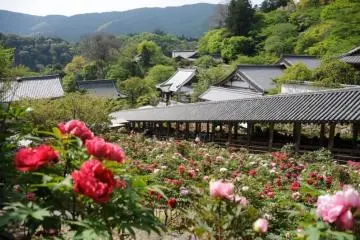
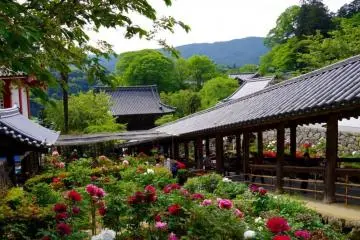
Just beyond Niomon Gate is the Staircase Corridor. Follow the 200-meter long, nearly 400-step staircase up to Hasedera’s main hall at the top of the mountain. The ancient steps are covered by a wooden roof and decorated by stone lanterns, all of which blend harmoniously with the surrounding scenery. Famously, from mid-April to early May, the staircase is flanked by thousands of multicolored peonies.
Main Hall
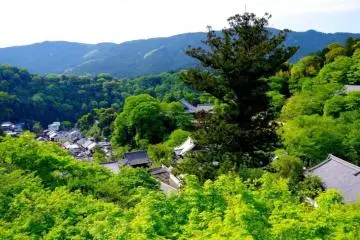
Without a doubt, the temple’s most visited building is the main hall. This huge, traditionally designed hall epitomizes serenity with a facade that overlooks the lush mountainside. Stand on the main hall’s front wooden deck and observe gardens, a five story pagoda, libraries, living quarters for monks, and even the monks themselves walking among the temple buildings. Take a moment to breathe in the fresh mountain air. You may even be fortunate enough to hear chanting priests on the passing breeze.
Eleven-Faced Kannon Statue
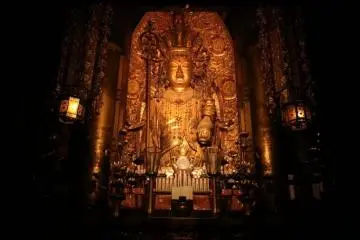
The main hall also holds the temple’s principal object of worship—an eleven-faced Kannon statue. Standing at 12 meters tall, it is one of the largest wooden statues of the Goddess of Mercy in Japan. In the early-8th century, a monk is said to have carved two identical statues from a sacred camphor tree near Hase Village. One statue was enshrined at Nara, while the other was cast into the ocean to bring good fortune to people elsewhere. This second statue washed ashore in Kamakura and is now housed in that city’s Hasedera Temple. Visitors are permitted to touch Nara’s Kannon statue in spring and autumn.
Flowers
The ethereal ambience of Hasedera’s traditional grounds are made more remarkable by the everpresent natural beauty. In spring and summer the grounds blossom with peonies, cherry blossoms, rhododendrons, and hydrangea. Then in autumn, the surrounding foliage turns vibrant red, creating an equally beautiful scene.
Access
Hasedera is about a 15-minute walk from Hasedera Station.
Overview
Address
731-1 Hase, Sakurai, NaraHours
9:00 - 16:30 Open nowOpening Hours
Monday
9:00 - 16:30
Tuesday
9:00 - 16:30
Wednesday
9:00 - 16:30
Thursday
9:00 - 16:30
Friday
9:00 - 16:30
Saturday
9:00 - 16:30
Sunday
9:00 - 16:30
Holidays
9:00 - 16:30
Price
All Hasedera Temple prices
Phone
0744-47-7001
Website
hasedera.or.jpHasedera Temple